The Supreme Court of Canada has ruled on the legal status of sexual intercourse by someone who fails to disclose that he or she is HIV-positive. It remains a serious crime, with a maximum life sentence in prison. The troubling thrust of the high court’s message is that HIV-negative people have the right to engage in unprotected sex, no questions asked.
Law professor Robert Leckey on the Supreme Court ruling
News curated from other sources
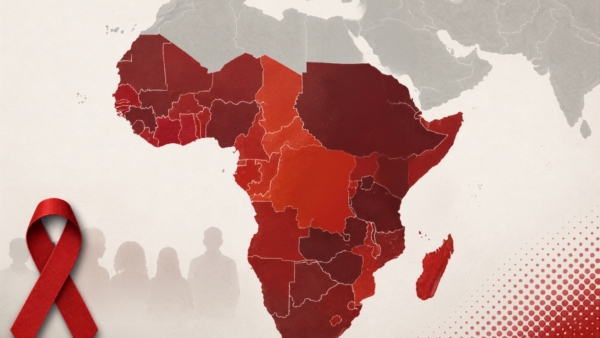
“The evidence is overwhelming: criminalisation does not prevent HIV, it fuels it”
The scourge of LGBTQ criminalisation moving across African countries – and its impact on HIV
August 22, 2026

Russia: New rules require health services to report HIV among foreign nationals
Medical organisations required to report foreign nationals’ HIV infections to the Ministry of the Interior
August 19, 2026

Senegal: Harsh penalties for same-sex relations is severely disrupting HIV services
HIV care suffers under Senegal anti-gay law
August 9, 2026
The Anti-Rights Movement is Organised. Are We?
August 3, 2026

US: Pennsylvania’s HIV Decriminalization Law comes under fire from activists
“Profound Disappointment” at Pennsylvania’s Updated HIV Crime Law
August 1, 2026
News by the HIV Justice Network
The Irony of HIV Exceptionalism
September 4, 2026