Not a Crime: Indigenous perspectives on HIV criminalization
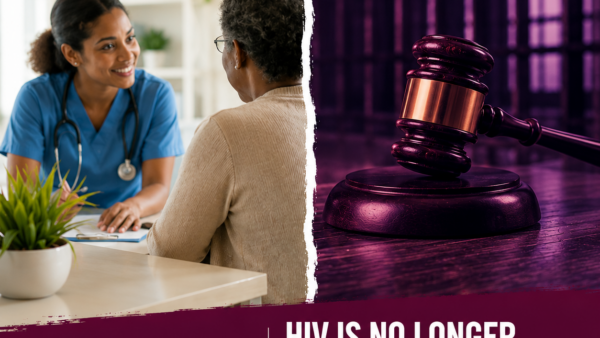
Over the coming weeks, the HIV Legal Network will be sharing a series of conversations with people from Indigenous communities on the impact of HIV criminalisation.
In Canada, Indigenous peoples — particularly women and youth — are disproportionately affected by HIV. Although they represent just 5% of the population, they accounted for over 18% of new HIV transmissions in 2020 and 10% of all people living with HIV. At the same time, criminalisation continues to shape lives and outcomes: at least 224 people have been charged for alleged HIV non-disclosure, most often with aggravated sexual assault — one of the most serious offences in Canadian law. Among them are at least 15 Indigenous people, including Indigenous women who are significantly overrepresented among those prosecuted.
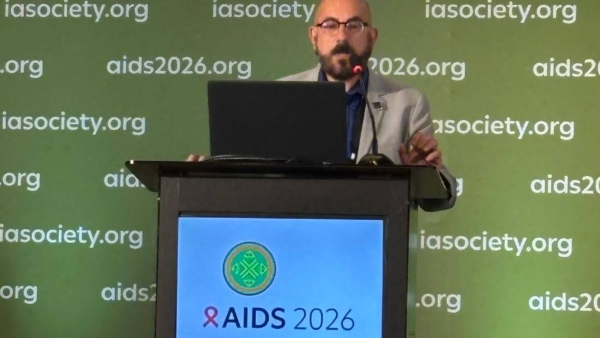
In this episode, the HIV Legal Network speaks with Margaret Kisikaw Piyesis, Okimâw (Chief Executive Officer) of CAAN Communities, Alliances & Networks. A leading voice in Indigenous health advocacy, she brings decades of experience working to improve outcomes for Indigenous peoples affected by HIV, combining Cree knowledge systems with community-led health approaches.
🎧 Listen to the conversation and explore how criminalisation intersects with Indigenous health, rights and lived realities.
Learn more about CAAN and the Canadian Coalition to Reform HIV Criminalization.