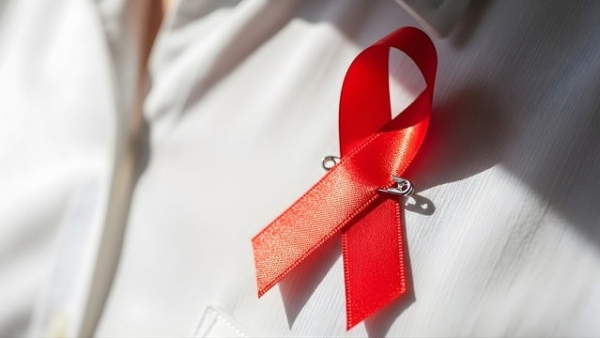
Activists in two southern Mexican states are calling for the decriminalisation of HIV, warning that outdated laws continue to fuel stigma, discrimination and human rights violations against people living with the virus.
In Tabasco, José Cruz Guzmán Matías, president of the civil association Tabasqueños Unidos por la Diversidad y la Salud Sexual (TUDYSSEX), has urged the local Congress to prioritise legislative reforms in 2026. Among the key demands are the adoption of an Identity Law to legally recognise sexual orientation, gender identity and gender expression, and the repeal of the offence known as “danger of contagion”. This provision criminalises people who are aware they have a serious infectious disease and are deemed to have exposed others to risk, and has long been used to prosecute people living with HIV. Activists argue that the law institutionalises serophobia by legitimising stigma, discrimination and fear, while violating fundamental rights. Guzmán Matías also called for stalled proposals banning so-called “conversion therapies” to be advanced, stressing the need for inclusion and respect for diversity.
Similar demands are being voiced in Tamaulipas, where activists have raised the alarm over a rise in HIV cases in the southern part of the state during 2025. Ana Karen López Quintana, president of Tamaulipas Diversity Vihda Trans, emphasised that the response to HIV must go beyond medical care and address social and human dimensions. Working alongside public institutions and civil society organisations, activists are pushing for the repeal of Article 203 of the state Criminal Code, which also criminalises the “danger of contagion”, as well as reforms to the Civil Code to ensure that people living with HIV can fully exercise their right to form a family.
Across both states, advocates stress that HIV is a preventable and treatable condition, and that criminalisation undermines public health by reinforcing fear and discouraging testing and care. They are calling for a shift toward a more humane model of health and justice—one grounded in human rights, accurate information and the elimination of stigma.