Article translated from French with Deepl.com
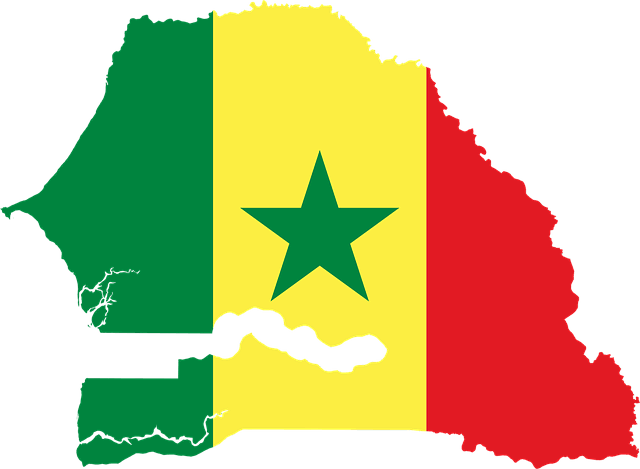
The West African country, which has been swept up in a wave of homophobia following two criminal cases in early February, has just adopted draconian anti-LGBT laws. An oppressive atmosphere that threatens the fight against HIV.
“We can’t eat or sleep; we’re stressed, we’re exhausted. I stay at home, I shut myself away. I switch off the television, my phone, everything,” explains Momo*, a young man whose life has become a living hell in Dakar, the capital of Senegal. On Wednesday 11 March, parliament passed a law tightening penalties against homosexuals and any organisations supporting them. The measure raises fears of a setback in the fight against HIV in this country of 34 million people, where the disease spreads mainly within this community.
The law was passed unanimously – only three MPs abstained – and was accompanied by inflammatory speeches from elected representatives. “I am speaking to the international community. Homosexuals will no longer be able to breathe in this country. Homosexuals will no longer have freedom of expression in this country,” insisted MP Diaraye Bâ.
The maximum prison sentence for “unnatural acts” has been increased from five to ten years, and the fine can now reach 10 million CFA francs (the equivalent of 13,800 Swiss francs). The bill goes further and creates two new offences: advocating for, and funding, entities and activities aimed at promoting or glorifying homosexuality, bisexuality and transsexuality. The UN has strongly condemned the new law, and Amnesty International believes the existing penalties were sufficient, says the director of the local branch, Seydi Gassama: “Five years in Senegalese prisons is an extremely harsh sentence.”
A climate of persecution and denunciation
While the law is cause for concern, the wave of homophobia had already begun in early February when two criminal cases shocked public opinion in this country, 80% of whose population is Muslim. Twelve homosexuals were arrested for unnatural acts and criminal conspiracy, including several celebrities and, notably, the television presenter Pape Cheikh Diallo. From messages to photos, investigators are tracking down gay men in the ‘network’. For weeks, arrests have been mounting – now numbering around forty – and making the headlines, sometimes with the suspects’ names and HIV status. The police have claimed that several allegedly knowingly transmitted HIV. “The police don’t know what they’re doing. The person accused of deliberate transmission might have an undetectable viral load, so they can’t transmit HIV,” protests Momo, who points out that medical confidentiality and the secrecy of the investigation have been flouted here.
The Pierre Robert case, which broke at the same time, has further fuelled public hatred. The Frenchman is alleged to have recruited Senegalese gay men to initiate vulnerable young boys into sex, film them and force them into prostitution, with a stated intention of transmitting HIV. Fourteen people have been arrested between Dakar and Kaolack. And for Seydi Gassama, the conflation is inevitable: “In the eyes of public opinion, you cannot separate these situations: unnatural acts, paedophilia, and the deliberate transmission of HIV/AIDS.”
Consequently, gay men are going into hiding or fleeing to Gambia and Mauritania to escape what some describe as the worst homophobic crisis the country has ever experienced. Papi* is not gay, but he works regularly with them through the HIV testing and support association he set up in a provincial town in central Senegal, and for this he has received threats. He has moved away because he fears for his life.
Avoiding any association with homosexuality
“For all the HIV-positive people who were taking medication, lives are now being lost; they no longer even agree to come and collect it,” he confides. Some patients even return their boxes, for fear of being identified as homosexual. The threat to the fight against HIV is real, even though Senegal is seen as a model on the continent, with prevalence reduced to 0.3% of the population. The number of deaths has been falling steadily over the last twenty years, but new infections rose during the Covid pandemic, reaching 2,979 people in 2024.
Footfall at HIV-dedicated centres has fallen, but testing has increased as many internet users post their serological results online. In this climate of stigmatisation, lists of suspected homosexuals and presidents of HIV-related associations have been shared, notably by the Islamic NGO Jamra, which provided 600 names to the gendarmerie. Online influencers, such as Idy Missionnaire, go so far as to publish people’s phone numbers, addresses and photos. “A friend of mine who is president of an association in Saint-Louis saw the gendarmerie turn up at his home to arrest him, but he fled to Mauritania,” says Papi. “I’m not going to wait for the police to come and get me. They’re hunting us down one by one.” Many organisations have shut down their websites and telephone lines, with patients becoming threatening in their demands to be removed from the registers.
The public outcry is even worrying the government, and Prime Minister Ousmane Sonko has warned against the publication of serological status in the press. Seydi Gassama, who has also been targeted by an online smear campaign, nevertheless welcomes a clause in the law introducing the offence of slanderous denunciation, now punishable by two to three years’ imprisonment and a fine of up to 500,000 CFA francs (690 francs).
«Ils sont en train de nous traquer un à un»: au Sénégal, vivre caché après le durcissement de la loi anti-homosexuels
Le pays d’Afrique de l’Ouest, entré dans une vague homophobe après deux affaires criminelles début février, vient d’adopter des lois anti-LGBT draconiennes. Une atmosphère oppressive qui menace la lutte contre le VIH.
«On ne parvient pas à manger ou à dormir, on est stressés, on est fatigués. Moi, je reste à la maison, je m’enferme. J’éteins la télévision, mon téléphone, tout», détaille Momo*, un jeune homme dont la vie est devenue un calvaire à Dakar, la capitale du Sénégal. Le parlement vient de voter, mercredi 11 mars, une loi renforçant les sanctions contre les homosexuels mais aussi, contre toute organisation les soutenant. La mesure fait craindre un recul dans la lutte contre le VIH dans le pays de 34 millions d’habitants où la maladie se propage principalement dans cette communauté.
La loi est passée à l’unanimité – seuls trois parlementaires ne se sont pas prononcés – et s’est accompagnée de discours excessifs des élus. «Je parle à l’opinion internationale. Les homosexuels ne respireront plus dans ce pays. Les homosexuels n’auront plus la liberté d’expression dans ce pays», a martelé la députée Diaraye Bâ.
De 5 ans, la peine d’emprisonnement maximale pour «actes contre nature» est passée à 10 ans et l’amende peut maintenant atteindre 10 millions de francs CFA (l’équivalent de 13 800 francs suisses). Le texte va plus loin et crée deux nouveaux délits, celui d’apologie et celui de financement des entités et activités visant à promouvoir ou magnifier l’homosexualité, la bisexualité et la transsexualité. L’ONU a fortement dénoncé la nouvelle loi, et pour Amnesty International, les sanctions déjà en place étaient suffisantes, affirme le directeur de la section locale, Seydi Gassama: «Cinq ans dans les prisons sénégalaises, c’est une peine extrêmement sévère.»
Climat de traque et de délation
Si la loi inquiète, la vague d’homophobie avait déjà commencé début février lorsque deux affaires criminelles ont choqué l’opinion publique dans ce pays à 80% musulman. Douze personnes homosexuelles ont été interpellées pour actes contre nature et association de malfaiteurs, dont plusieurs célébrités et, notamment, l’animateur de télévision Pape Cheikh Diallo. De messages en photos, les enquêteurs traquent les homosexuels du «réseau». Depuis des semaines, les arrestations se multiplient, aujourd’hui une quarantaine, et font la une des journaux, parfois avec le nom et le statut sérologique des suspects. La police a affirmé que plusieurs auraient sciemment transmis le VIH. «La police ne maîtrise pas ce qu’ils sont en train de faire. La personne accusée de transmission volontaire, peut-être qu’elle a une charge virale indétectable donc elle ne peut pas transmettre le VIH», se révolte Momo qui souligne que le secret médical et le secret de l’enquête ont ici été bafoués.
L’affaire Pierre Robert, déclenchée au même moment, est venue attiser la haine populaire. Le Français aurait recruté des homosexuels sénégalais pour initier au sexe, filmer et prostituer de jeunes garçons vulnérables, avec une volonté affichée de transmettre le VIH. Quatorze personnes ont été arrêtées entre Dakar et Kaolack. Et pour Seydi Gassama, l’amalgame est inévitable: «Vous ne pouvez pas, aux yeux de l’opinion publique, dissocier les situations, les rapports contre nature, la pédophilie, la transmission volontaire du VIH/sida.»
Alors, les homosexuels se cachent ou s’exilent vers la Gambie et la Mauritanie pour échapper à la pire crise homophobe qu’a vécue le pays d’après certains. Papi* n’est pas homosexuel mais il travaille régulièrement auprès d’eux avec l’association de dépistage et de soutien aux malades du VIH qu’il a montée dans une ville secondaire du centre du Sénégal et pour ça, il a reçu des menaces. Il a déménagé car il craint pour sa vie.
Eviter tout lien avec l’homosexualité
«Pour toutes les personnes séropositives qui prenaient les médicaments, actuellement ce sont des pertes de vies, ils n’acceptent même plus de venir les récupérer», confie-t-il. Certains patients ramènent même leurs boîtes, par peur d’être identifiés comme homosexuels. La menace sur la lutte contre le VIH est réelle alors que le Sénégal fait figure de modèle sur le continent, la prévalence y est réduite à 0,3% de la population. Le nombre de décès est en baisse constante ces vingt dernières années mais les nouvelles infections sont remontées pendant le covid et atteignaient 2979 personnes en 2024.
L’affluence dans les centres dédiés au VIH a baissé mais les dépistages ont augmenté car de nombreux internautes affichent leurs résultats sérologiques. Dans ce climat de stigmatisation, des listes d’homosexuels présumés et de présidents d’association contre le VIH ont été partagées, notamment par l’ONG islamique Jamra qui a fourni 600 noms à la gendarmerie. Des influenceurs en ligne, comme Idy Missionnaire, vont jusqu’à donner les numéros, adresses et photos des personnes. «Un ami président d’une association à Saint-Louis a vu la gendarmerie débarquer chez lui pour l’arrêter mais il a fui en Mauritanie, raconte Papi. Je ne vais pas attendre que la police vienne me chercher. Ils sont en train de nous traquer un à un.» De nombreuses organisations ont fermé leurs sites web et leurs lignes téléphoniques, les patients se font menaçants pour être effacés des registres.
L’emballement populaire inquiète même le gouvernement, et le premier ministre Ousmane Sonko a mis en garde contre la publication des statuts sérologiques dans la presse. Seydi Gassama, lui aussi ciblé par une campagne de diffamation en ligne, salue néanmoins une clause de la loi qui introduit le délit de dénonciation calomnieuse, maintenant passible de 2 à 3 ans de prison et d’une amende jusqu’à 500 000 francs CFA (690 francs).