Evidence that treating people with HIV early in infection prevents transmission to sexual partners has reframed HIV prevention paradigms. The resulting emphasis on HIV testing as part of prevention strategies has rekindled the debate as to whether laws that criminalise HIV transmission are counterproductive to the human rights-based public health response. It also raises normative questions about what constitutes ‘safe(r) sex’ if a person with HIV has undetectable viral load, which has significant implications for sexual practice and health promotion. This paper discusses a recent high-profile Australian case where HIV transmission or exposure has been prosecuted, and considers how the interpretation of law in these instances impacts on HIV prevention paradigms. In addition, we consider the implications of an evolving medical understanding of HIV transmission, and particularly the ability to determine infectiousness through viral load tests, for laws that relate to HIV exposure (as distinct from transmission) offences. We conclude that defensible laws must relate to appreciable risk. Given the evidence that the transmissibility of HIV is reduced to negligible level where viral load is suppressed, this needs to be recognised in the framing, implementation and enforcement of the law. In addition, normative concepts of ‘safe(r) sex’ need to be expanded to include sex that is ‘protected’ by means of the positive person being virally suppressed. In jurisdictions where use of a condom has previously mitigated the duty of the person with HIV to disclose to a partner, this might logically also apply to sex that is ‘protected’ by undetectable viral load.
Australia: Academic article explores the prevention impact of treatment on criminal 'exposure' laws and prosecutions
News curated from other sources
“The evidence is overwhelming: criminalisation does not prevent HIV, it fuels it”
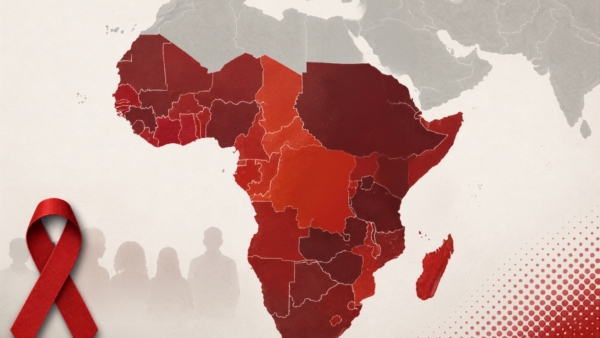
The scourge of LGBTQ criminalisation moving across African countries – and its impact on HIV
August 22, 2026

Russia: New rules require health services to report HIV among foreign nationals
Medical organisations required to report foreign nationals’ HIV infections to the Ministry of the Interior
August 19, 2026

Senegal: Harsh penalties for same-sex relations is severely disrupting HIV services
HIV care suffers under Senegal anti-gay law
August 9, 2026
The Anti-Rights Movement is Organised. Are We?
August 3, 2026

US: Pennsylvania’s HIV Decriminalization Law comes under fire from activists
“Profound Disappointment” at Pennsylvania’s Updated HIV Crime Law
August 1, 2026
News by the HIV Justice Network
The Irony of HIV Exceptionalism
September 4, 2026